Where Art Meets Science: A Holistic Approach to Supporting Neurodivergent Children and Youth
How art transforms us
October 13, 2025
Beyond Sight
March 11, 2026

At Art Foundation for People with Disabilities, Inc. (ARTXPWD), we believe that every child deserves access to interventions that honor their individuality, creativity, and potential. For children and youth with Autism Spectrum Disorder (ASD) and other developmental differences, meaningful growth often happens when evidence-based science meets creative expression.
That belief is at the heart of our work, intentionally fusing visual, creative, and performing arts with the principles of Applied Behavior Analysis (ABA) to create inclusive, engaging, and therapeutic learning environments.
Why the Arts Are Essential, Not Optional
For many neurodivergent children, traditional talk-based or compliance-driven approaches can feel limiting. The arts offer an alternative pathway, one rooted in choice, expression, and intrinsic motivation.
Through painting, movement, music, drama, and storytelling, participants can:
- Express emotions and ideas when verbal language is limited
- Regulate sensory input in a supportive, structured way
- Build confidence through mastery and creative accomplishment
- Practice social interaction in natural, meaningful contexts
Families often tell us that art becomes a bridge, connecting their child’s inner world to the outside world in ways they had not seen before.
“For the first time, my son was excited to participate in a group activity. He wasn’t being ‘corrected’, he was being understood. Art gave him a voice.”, Parent of a 10-year-old participant
ABA Through a Creative Lens
Applied Behavior Analysis (ABA) is widely recognized as an effective, evidence-based approach for supporting skill development in individuals with ASD. At ARTXPWD, we take ABA principles, such as positive reinforcement, task analysis, prompting, and generalization, and embed them within arts-based experiences.
In our programs, children may be:
- Reinforced for communication attempts during collaborative art projects
- Supported in turn-taking and peer interaction through group drama or music
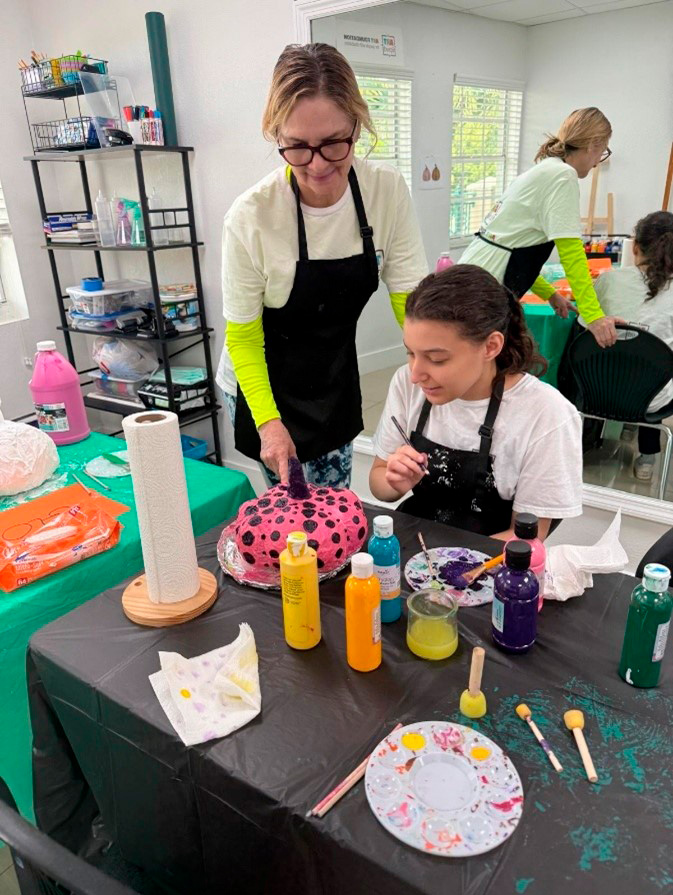
- Guided through step-by-step skill building while creating visual artwork
- Practicing emotional regulation through movement, rhythm, and creative routines
This approach allows learning to happen organically and joyfully, increasing engagement while reducing avoidance or stress often associated with more traditional formats.
“We saw improvements not just in behavior, but in confidence. The structure was there, but so was joy.”, Caregiver of a teen participant
Aligned with the Arts in Medicine Movement
Our model is also aligned with the growing national and international field of Arts in Medicine (Arts in Health), a discipline that recognizes creative expression as a powerful contributor to physical, emotional, and behavioral well-being.
Across healthcare, education, and community settings, arts-based interventions have been shown to:
- Reduce stress and anxiety
- Improve mood and emotional expression
- Enhance social connection and coping skills
- Support overall quality of life
By integrating these principles into community-based programming for children and youth with disabilities, ARTXPWD helps bring the benefits of Arts in Medicine beyond clinical settings and into accessible, inclusive spaces.
What Makes ARTXPWD’s Approach Unique
What sets Art Foundation for People with Disabilities apart is not just what we do, but how we do it.
Our programs are:
- Evidence-informed, grounded in behavioral science and best practices
- Artist-led and therapeutically supported, bridging creativity and structure
- Inclusive and strengths-based, honoring each participant’s abilities
- Community-centered, fostering belonging and social connection
We do not replace evidence-based interventions, we expand them, ensuring that learning is meaningful, culturally responsive, and human-centered.
Looking Forward
At ARTXPWD, we envision a future where science and creativity are no longer seen as separate, but as partners in supporting neurodivergent children and youth. When art and behavioral science work together, intervention becomes more than skill-building; it becomes empowering, affirming, and life-enhancing.
We are proud to stand at this intersection, where art heals, science guides, and every individual is seen.
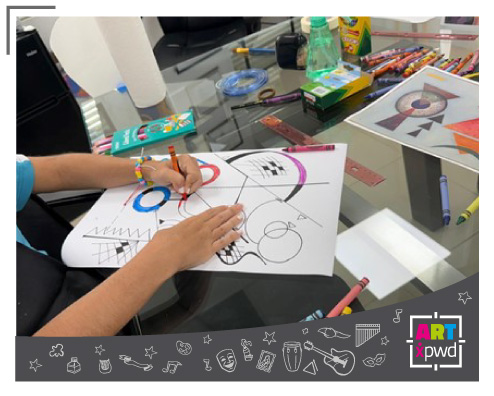
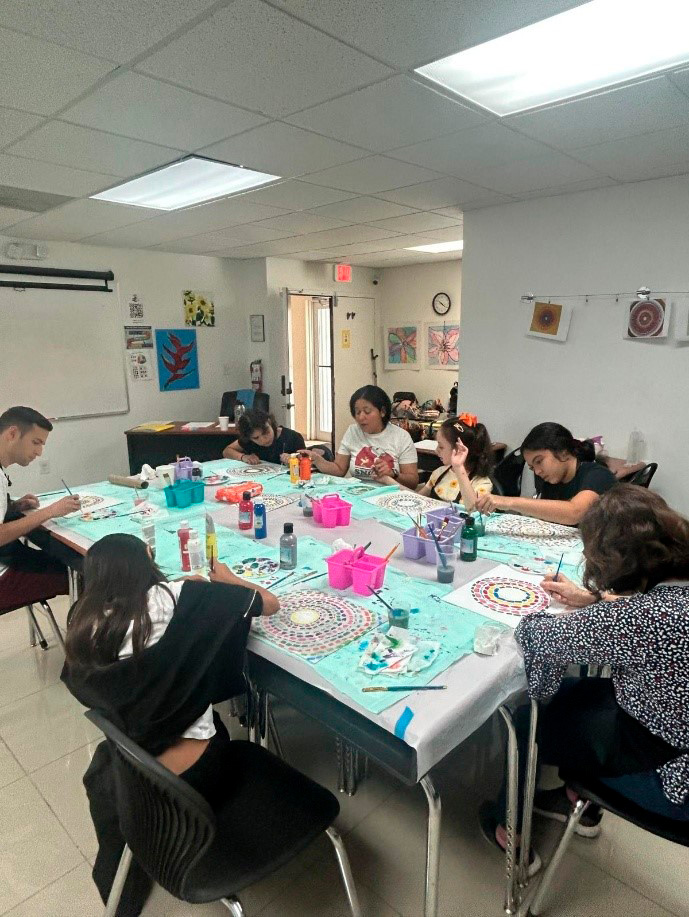
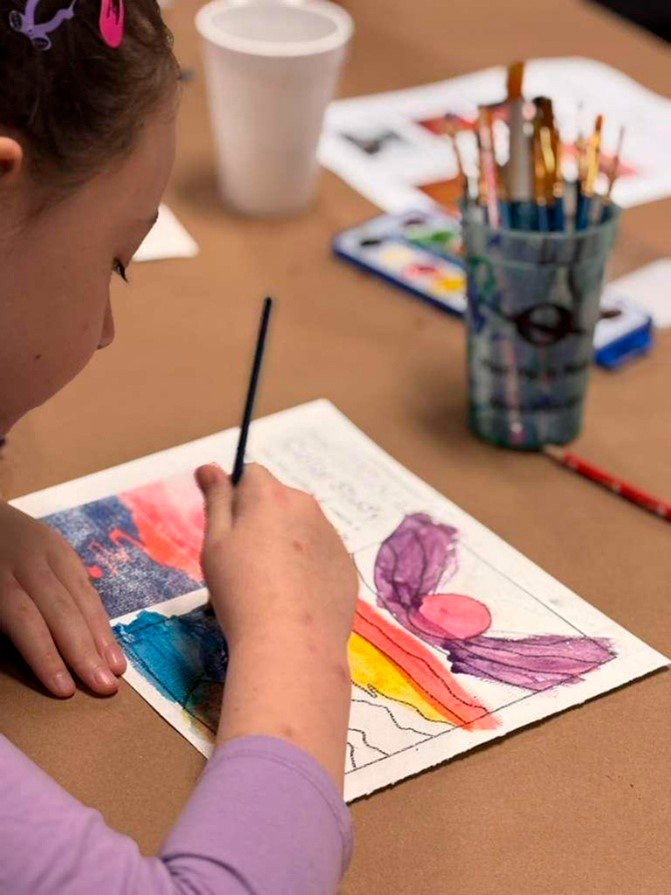
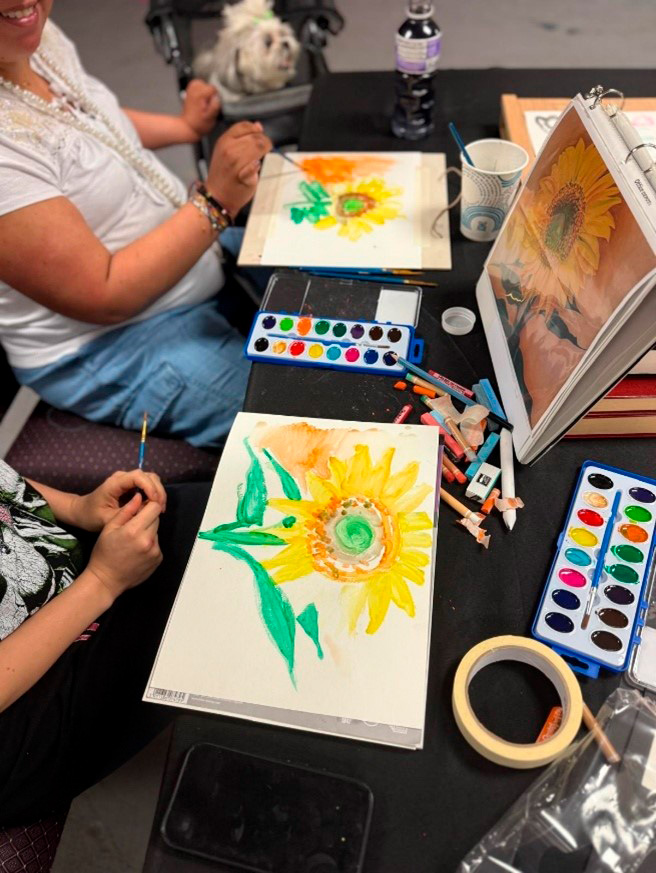
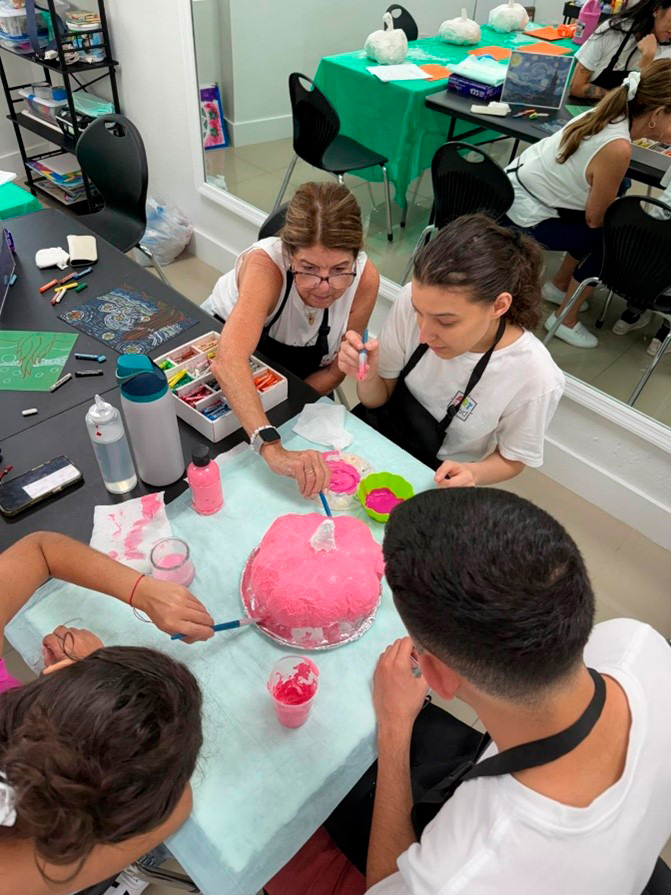
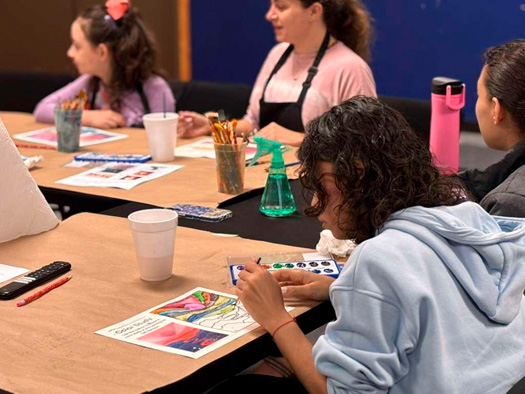
Creative Arts & ABA Integration (Visual & Creative Arts Programming)
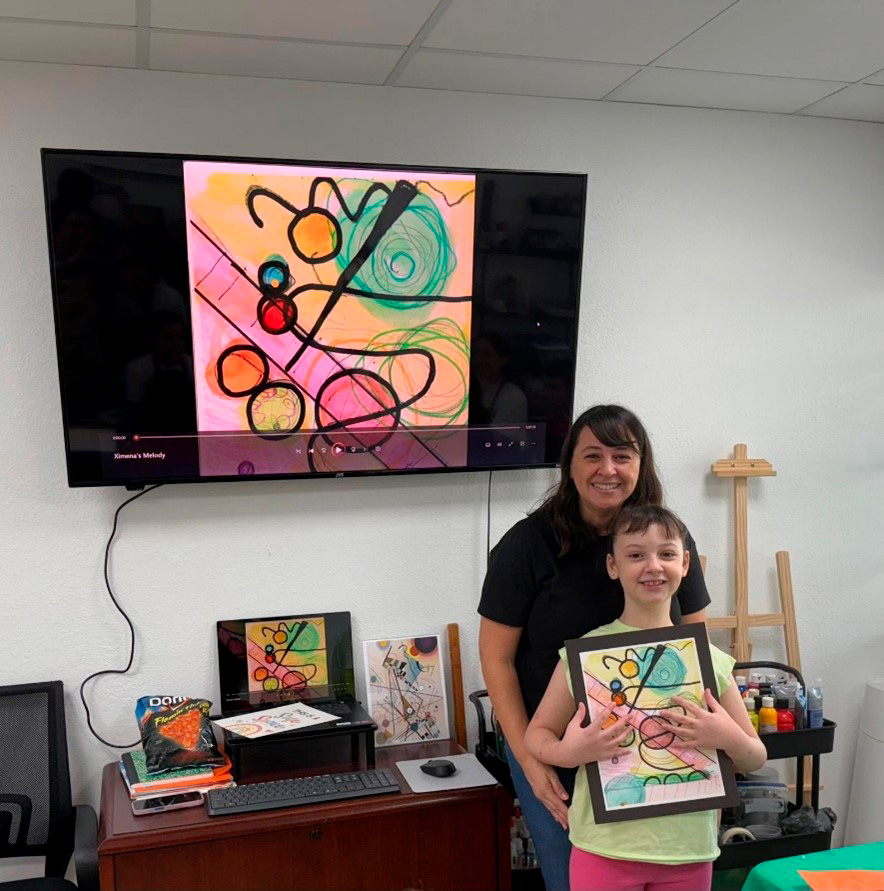
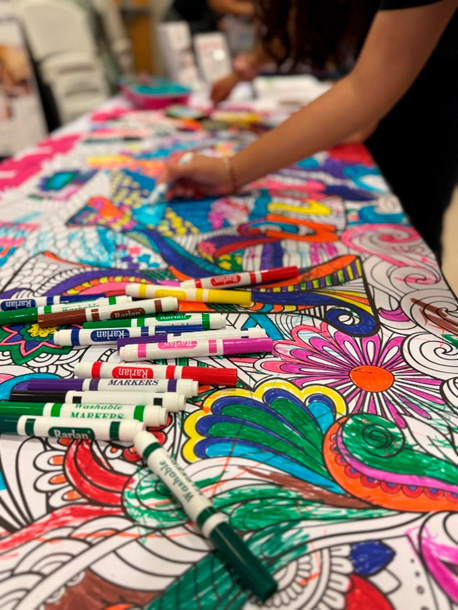
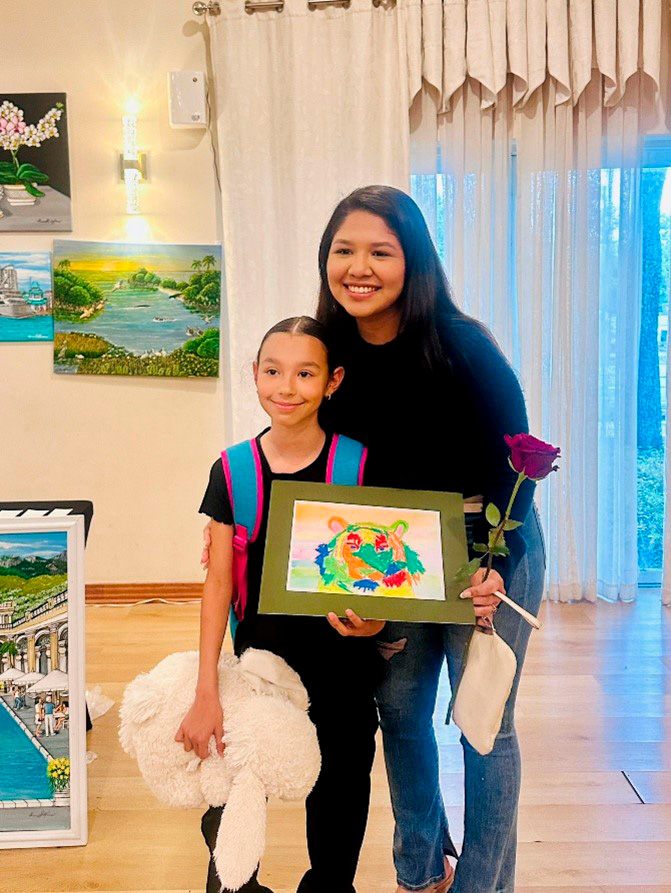
Participants engage in structured visual arts activities designed to support communication, focus, and self-expression through evidence-informed practices.
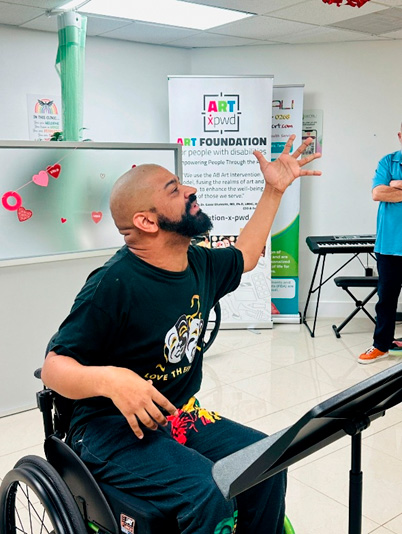
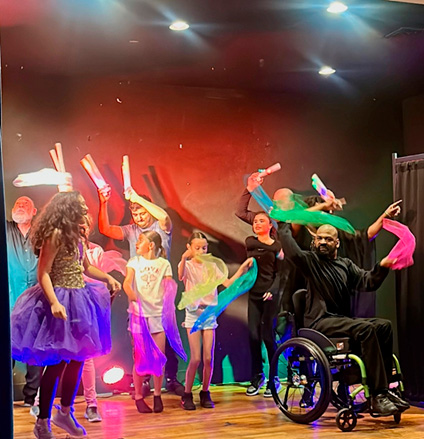
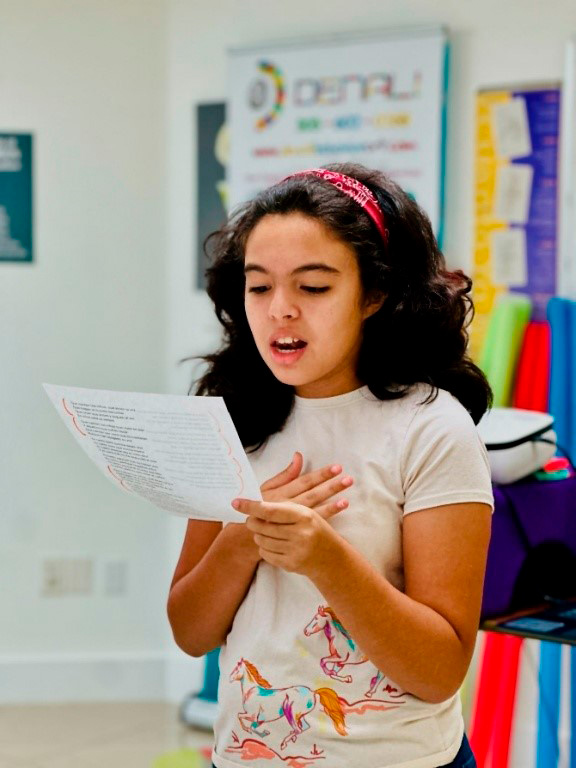
Performing Arts for Social Skills (Theater Program)
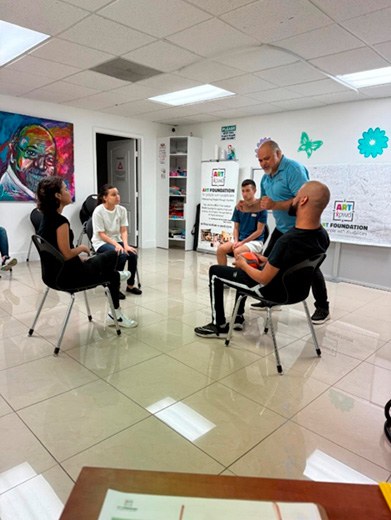
Our theatre program uses drama and movement to encourage peer interaction, self-confidence, and expressive communication.
Family Centered!